
Popular Foundation Repair Products For Preventing Structural Damage
Choose from trusted foundation repair options designed to prevent costly structural issues before they develop.
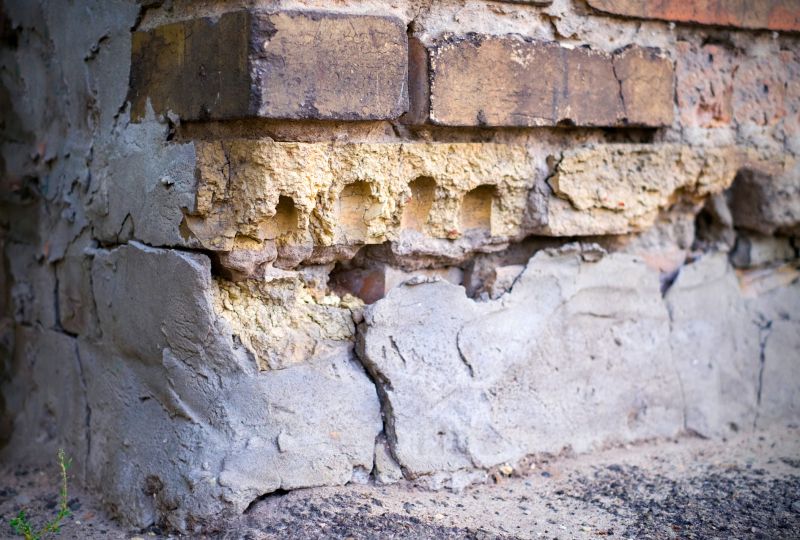 Foundation repairs are essential for maintaining the stability and safety of a structure. When signs such as uneven floors, cracking walls, or sticking doors appear, it may indicate underlying foundation issues that require attention. Addressing these concerns promptly can help prevent further damage and costly repairs down the line. Various products are available to assist homeowners and professionals in repairing and stabilizing foundations, each designed to suit different types of issues and soil conditions. Understanding the options can help in selecting the most appropriate solutions for specific situations.
Top Overall Option
Polyurethane Foam Injection Kits
Polyurethane foam injection kits are versatile and non-invasive solutions suitable for addressing minor to moderate foundation settlement issues. They work by expanding beneath the foundation to lift and stabilize the structure, often providing quick and effective relief from uneven floors or cracked walls. These kits are user-friendly and can be applied with minimal disruption, making them a popular choice for DIY repairs or professional interventions. When selecting a polyurethane foam product, it is important to consider the foam's expansion properties, load capacity, and compatibility with the specific foundation type.
Types of Products For Foundation Repairs
Push Piers
Push piers are steel supports driven into stable soil beneath the foundation to lift and stabilize the structure, suitable for severe foundation settlement.
Helical Piers
Helical piers are screw-in supports used to transfer the load of the foundation to deeper, more stable soil layers, ideal for uneven or shifting foundations.
Slab Jacking and Mudjacking
This process involves injecting a grout mixture beneath concrete slabs to lift and level sunken areas, often used for driveways and sidewalks.
Epoxy Injection
Epoxy resins are injected into cracks to bond and seal the foundation, helping to restore structural integrity and prevent water intrusion.
Carbon Fiber Reinforcement
Carbon fiber strips or fabrics are bonded to foundation walls to reinforce and prevent further cracking or bowing.
Soil Stabilization Grouts
Specialized grouts are used to improve soil stability around the foundation, reducing settlement and shifting.
Wall Anchors
Wall anchors are installed to stabilize bowed or leaning basement walls by attaching to exterior anchors and pulling the wall back into position.
Underpinning Systems
Underpinning involves installing support piers beneath the foundation to increase stability and load-bearing capacity.
Grout and Sealants
These products fill small cracks and gaps to prevent water infiltration and further deterioration.
Foundation Braces
Braces are used to support and stabilize walls or sections of the foundation temporarily or permanently.
Drainage Systems
Proper drainage solutions help divert water away from the foundation, reducing hydrostatic pressure and soil erosion.
Concrete Patching Products
Patching compounds repair small cracks and surface damage on concrete slabs or walls.
Hydraulic Lifting Systems
Hydraulic jacks and lifting systems are used for precise lifting and leveling of foundation sections.
Polyurethane Foam Injection Kits
Expandable foam injections are used to lift and stabilize sinking or settling foundations with minimal disruption.
Steel Support Beams
Steel beams provide support under floors or walls that are sagging or bowing due to foundation movement.
Soil Replacement Materials
Replacing or augmenting soil around the foundation can help improve stability and prevent further settlement.
Popular Choices
Epoxy kits are commonly used for sealing cracks and restoring the integrity of foundation walls.
These kits are frequently selected for quick and minimally invasive foundation lifting and stabilization.
Push piers are a popular choice for addressing significant settlement issues requiring deep support.
Wall anchors are often used to correct bowing or leaning basement walls, providing stabilization.
Helical piers are preferred for their ability to support and stabilize foundations with uneven settlement.
These methods are common for leveling concrete slabs such as driveways and patios.
Carbon fiber reinforcement is widely used for crack and bowing wall stabilization due to its strength and ease of application.
Installing proper drainage systems is a frequent recommendation to prevent future foundation issues.
Support braces are often used for temporary or ongoing support of compromised structures.
These are commonly used for small cracks and surface repairs to prevent water infiltration.
Steel or wood support beams are popular for supporting sagging floors or walls.
Stabilizing soil around the foundation is a common preventative measure.
Hydraulic jacks are frequently used in lifting and leveling operations during foundation repairs.
Patching products are regularly used for minor surface repairs on concrete slabs.
Foundation repair products range from simple leveling compounds to complex underpinning systems. Some are intended for minor adjustments, such as shim supports or epoxy injections, while others are designed for more extensive stabilization, like piering systems or wall anchors. Proper selection depends on the severity of the problem, the type of foundation, and the soil conditions beneath the property. Consulting with a foundation specialist can provide valuable insights into the most suitable products and methods for a particular repair scenario.
Safety and durability are critical when choosing foundation repair products. Quality materials can enhance the longevity of repairs and help prevent future issues. It's important to consider ease of installation, compatibility with existing structures, and the potential need for professional assistance. Additionally, understanding the manufacturer's specifications and warranty options can provide peace of mind. Whether addressing a small crack or a significant foundation shift, selecting the right products is a vital step toward restoring stability and ensuring the safety of the property.
In Morrisville, PA, where soil conditions and weather patterns influence foundation health, homeowners should prioritize products that are proven to perform well in local environments. Regular inspections and timely repairs can extend the lifespan of a foundation and protect the investment in a property. Equipped with the right tools and materials, property owners and contractors can work together to achieve effective and lasting foundation repairs.
Key Buying Considerations
- Assess the severity of foundation issues to determine appropriate repair products.
- Consider the type of foundation (slab, crawl space, basement) and select compatible solutions.
- Evaluate the soil conditions and stability to choose the most effective support systems.
- Check product specifications for load capacity and expansion properties.
- Determine whether professional installation is recommended or if DIY solutions are feasible.
- Review manufacturer warranties and product guarantees for long-term peace of mind.
- Consider the ease of application and whether specialized tools or skills are required.
- Identify potential water infiltration issues and select products that address moisture control.
- Ensure compatibility with existing structures and materials for seamless repairs.
- Review local building codes and regulations to ensure compliance.
- Factor in the potential for future movement or settlement when choosing repair methods.
- Prioritize products with proven performance in similar soil and environmental conditions.
- Evaluate the cost-effectiveness of different repair options relative to the extent of damage.
- Consult with foundation repair specialists for expert recommendations tailored to your situation.
- Consider the long-term maintenance requirements of selected products.